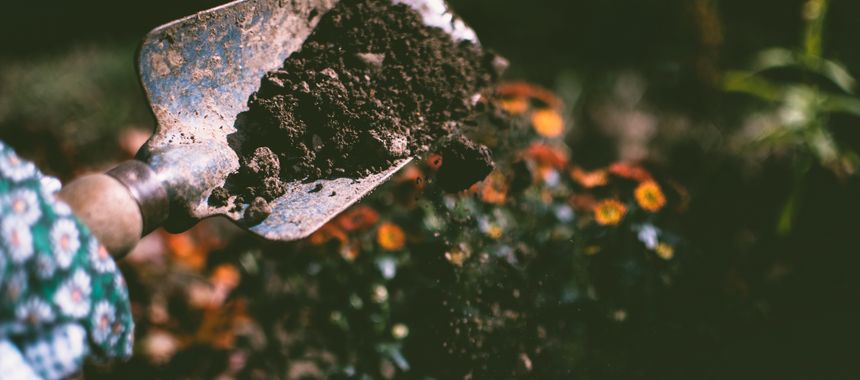
Composting is one of the most rewarding garden practices you can start. You'll turn kitchen scraps into rich, dark "black gold" that supercharges your soil โ and it's easier than you think. This step-by-step guide makes it simple, even if you've never tried before.
Why Compost?
Compost improves every type of soil. In Florida's sandy soil, it adds water retention and nutrients. In clay soil, it improves drainage. It introduces beneficial microorganisms, earthworms, and fungi that make nutrients available to plant roots. And it's completely free โ you're recycling material that would otherwise end up in a landfill.
What You Can Compost
Greens (nitrogen-rich): Fruit and vegetable scraps, coffee grounds, tea bags, fresh grass clippings, plant trimmings, eggshells.
Browns (carbon-rich): Dry leaves, cardboard (torn up), newspaper, paper bags, wood chips, straw, paper towel rolls.
Never compost: Meat, fish, dairy, oily foods, diseased plants, pet waste, or treated wood products.
Setting Up Your Compost Bin
Choose a spot in your yard with good drainage and partial shade. A 3ร3ร3 foot pile is the minimum size for efficient composting. You can use a purchased bin, build a simple wooden frame, or even just create a free-standing pile in a corner.
In Florida's heat and humidity, composting happens fast โ you can have finished compost in as little as 4โ8 weeks during summer if you maintain your pile properly.
The Golden Ratio: Browns to Greens
The key to great compost is balance. Aim for roughly 3 parts browns to 1 part greens by volume. Too many greens and your pile will smell. Too many browns and it will decompose very slowly. When in doubt, add more browns โ they're easier to find and nearly impossible to overdo.
Maintaining Your Pile
Moisture: Your pile should be as moist as a wrung-out sponge. In Florida, you may need to cover your pile during heavy summer rain to prevent it from getting waterlogged. In dry spells, water it lightly.
Turning: Turn the pile every 1โ2 weeks using a pitchfork or compost aerator. This introduces oxygen, which speeds decomposition dramatically. The more you turn, the faster you get finished compost.
Size: Keep adding material in layers. If the pile gets too large, start a second one and let the first finish composting undisturbed.
How to Know It's Ready
Finished compost is dark brown, crumbly, and smells like fresh earth โ not like rotting food. You shouldn't be able to identify the original materials anymore. If you can still see banana peels or leaves, give it more time.
Sift the finished compost through a wire mesh screen to separate out any large chunks (throw those back in the pile). The fine, rich material that passes through is ready to use.
Using Your Compost
Mix 2โ3 inches of compost into your garden beds each season. Add a handful to each planting hole when transplanting. Top-dress around established plants as a nutrient-rich mulch. Mix into potting soil at a ratio of 1 part compost to 3 parts soil.
More Soil & Garden Guides
Learn more about improving your Florida garden soil with our expert growing guides.
Garden Tips More Articles